
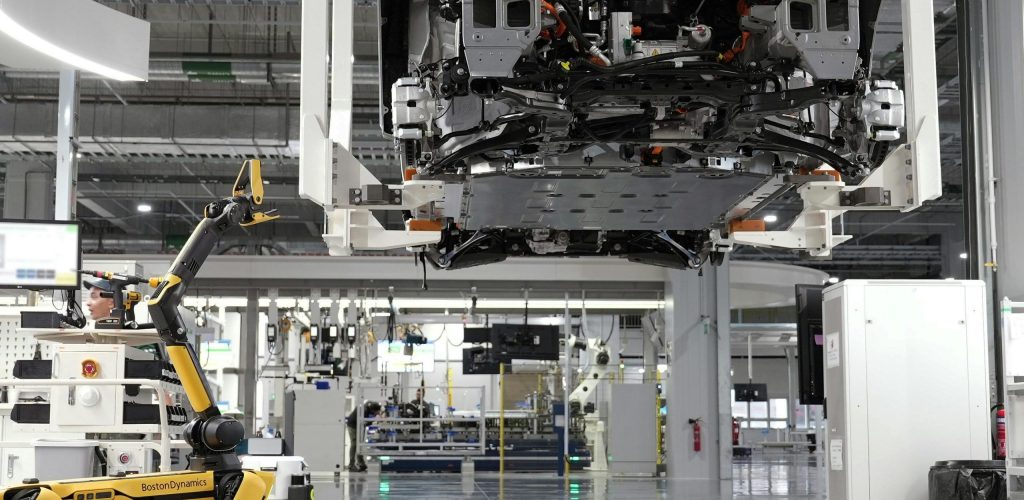
In today’s high-velocity production environments, visual inspection can no longer depend solely on human capability.
Computer Vision (CV) — a core domain of artificial intelligence that enables machines to interpret and analyze visual data — has evolved into a mission-critical quality assurance infrastructure. Unlike human inspectors, AI-powered vision systems operate continuously, process thousands of data points per second, and deliver measurable consistency across complex environments.
At Binalyto, we are witnessing computer vision transition from isolated factory deployments to cross-industry transformation. What began as defect detection has matured into predictive quality intelligence.
Below is how computer vision is reshaping quality control across four high-impact sectors.
Within advanced manufacturing environments, computer vision is a foundational pillar of Industry 4.0. Production lines are no longer linear systems — they are intelligent, self-monitoring ecosystems.
High-resolution imaging systems identify micro-scratches, hairline fractures, dents, and coating inconsistencies across metal, glass, semiconductor, and polymer surfaces — often beyond human perceptibility.
AI-driven verification ensures correct placement of every component, from fasteners to wiring harnesses. When deviations are detected, automated error-proofing mechanisms — inspired by lean principles such as Poka-yoke — trigger immediate corrective actions.
Non-contact optical metrology systems function as digital calipers, measuring tolerances at micron-level precision to ensure strict adherence to engineering specifications.
The result: reduced waste, lower recall risk, and a measurable decline in cost of poor quality (COPQ).
In healthcare, quality control is directly correlated with patient outcomes. Computer vision acts as a clinical augmentation layer — delivering consistency in environments where human fatigue and workload variability are unavoidable.

Fig: Clinical Decision Support Flow
AI models analyze X-rays, CT scans, and MRIs to surface anomalies such as early-stage tumors, micro-fractures, or subtle tissue irregularities. These systems function as a secondary review layer, enhancing diagnostic confidence.
On high-speed packaging lines, CV systems inspect individual tablets and capsules for color accuracy, structural integrity, and contamination — preventing compromised medication from entering distribution channels.
During minimally invasive procedures, computer vision tracks instrument movement and verifies material counts in real time, reducing the risk of retained surgical items and procedural inconsistencies.
Computer vision does not replace clinicians — it enhances reliability and reduces preventable variability.
Agricultural quality has historically relied on manual sampling and subjective grading. Computer vision introduces objectivity, scalability, and early intervention.

Fig: Predictive Crop Monitoring
Systems such as TOMRA 5A utilize AI-powered optical sorting to process tons of produce per hour, classifying items based on size, color spectrum, density, and surface defects. Only grade-compliant produce advances through the supply chain.
Drone-mounted multispectral imaging detects crop stress signals — including chlorophyll shifts and texture anomalies — before symptoms are visible to the human eye. This enables targeted treatment rather than field-wide chemical application.
Vision-based gait analysis and behavioral tracking identify early indicators of lameness or illness, enabling timely veterinary intervention and improving animal welfare outcomes. The shift is from reactive inspection to predictive agricultural intelligence.
In retail environments, quality control extends beyond product integrity to operational precision and customer experience.

Fig: Retail Intelligence Loop
Major retailers such as Walmart deploy shelf-scanning robotics and camera systems to detect out-of-stock items, pricing discrepancies, and product misplacement — dramatically reducing inventory distortion.
Retail innovators including Amazon have introduced cashierless environments powered by advanced computer vision, where item selection is automatically tracked and billed without barcode scanning. This eliminates checkout friction while maintaining billing accuracy.
AI-driven behavioral analysis distinguishes routine shopper movements from high-risk activity patterns, enabling proactive intervention and minimizing shrinkage without intrusive oversight.
Computer vision becomes an operational nervous system — continuously monitoring and optimizing retail performance.
AI does not eliminate human oversight — it elevates human decision-making with real-time, high-fidelity data.
The strategic value of computer vision extends beyond defect identification.
When a Binalyto-integrated system detects recurring anomalies within a specific production batch, it correlates defect patterns with upstream process variables. Rather than simply rejecting a unit, the system can alert maintenance teams that a machine is drifting out of calibration — preventing systemic quality degradation.
Computer vision transforms inspection from a gatekeeping function into a predictive optimization engine.
Quality assurance is no longer about spot-checking outcomes. It is about embedding intelligence directly into operational workflows. Is your organization still relying primarily on manual inspection processes?
Binalyto partners with enterprises to design and deploy vision-based AI architectures that reduce defect rates, enhance compliance, and convert visual data into strategic operational insight.
From sight to foresight — that is the evolution of quality control.

Building a Data-Driven Culture: Tools, Capabilities, and Mindset as Strategic Differentiators
Read More
Operationalizing AI: Governance, Risk, and Scalability in Enterprise Adoption
Read More
From Data to Decisions: The Enterprise Shift Toward Augmented Analytics
Read More
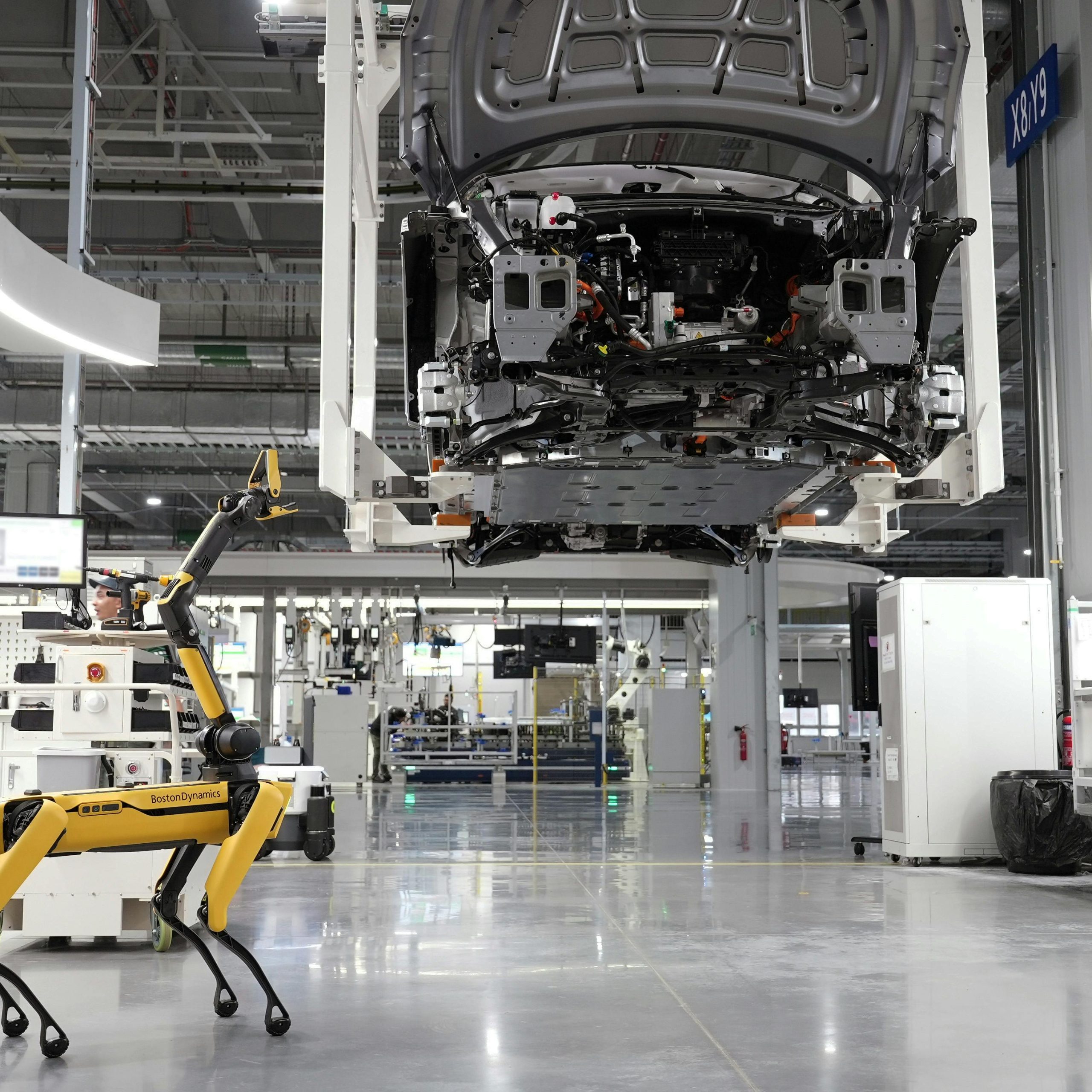
Eyes Everywhere: How Computer Vision Is Redefining Quality Control at Scale
Read More
Edge AI and Real-Time Analytics: Architecting Intelligence at the Point of Action
Read More

AI-Driven Personalization: Engineering Customer Experience at Enterprise Scale
Read More

AI & Ethics in Business: Governance, Bias Mitigation, and Enterprise-Grade Responsible AI
Read More

The Business Impact of Predictive Analytics in Supply Chain and Logistics
Read More

Beyond the Prompt: How Generative AI Is Redefining Enterprise Creativity and Innovation
Read More

The Future of Work: AI-Augmented Roles and Enterprise Workforce Transformation
Read More
With over a decade of enterprise expertise, we deliver performance-driven solutions powered by intelligent innovation. Partner with us to scale smarter, operate stronger, and lead with measurable impact.
Request a Demo

©2026 Binalyto Pvt Ltd.