
For more than a decade, the promise of the Internet of Things was constrained by a structural limitation: latency.
Data generated at the edge — from cameras, industrial sensors, smart meters, and vehicles — had to travel to centralized cloud infrastructure for processing before actionable insights could return. In time-sensitive environments, that delay was not merely inefficient; it was operationally prohibitive. In 2026, Edge AI is redefining this paradigm.
By embedding intelligence directly into devices and local gateways, organizations are enabling Real-Time Analytics with near-zero latency. At Binalyto, we guide enterprises in transitioning from “cloud-only” architectures to edge-first, hybrid AI ecosystems that unlock new levels of responsiveness, resilience, and operational autonomy.
In safety-critical or high-velocity environments, even a delay of 100 milliseconds can introduce material risk. Edge AI processes data at or near the source, delivering three structural advantages:
On-device inference enables instantaneous decision-making without reliance on round-trip cloud communication.
Instead of transmitting continuous raw data streams, edge systems filter and forward only high-value events — anomalies, alerts, or aggregated insights — significantly reducing network load and infrastructure costs.
Sensitive data remains localized, reducing exposure during transmission and minimizing the attack surface. This architecture supports compliance requirements while strengthening cybersecurity posture. Edge intelligence transforms passive endpoints into autonomous decision nodes.
In industrial environments, Edge AI underpins the next evolution of autonomous operations.
Sensors embedded in turbines, motors, and high-speed machinery continuously analyze vibration signatures and acoustic patterns. When micro-deviations signal bearing wear or misalignment, the edge system can trigger automated shutdown or recalibration within milliseconds — preventing catastrophic failure and unplanned downtime.
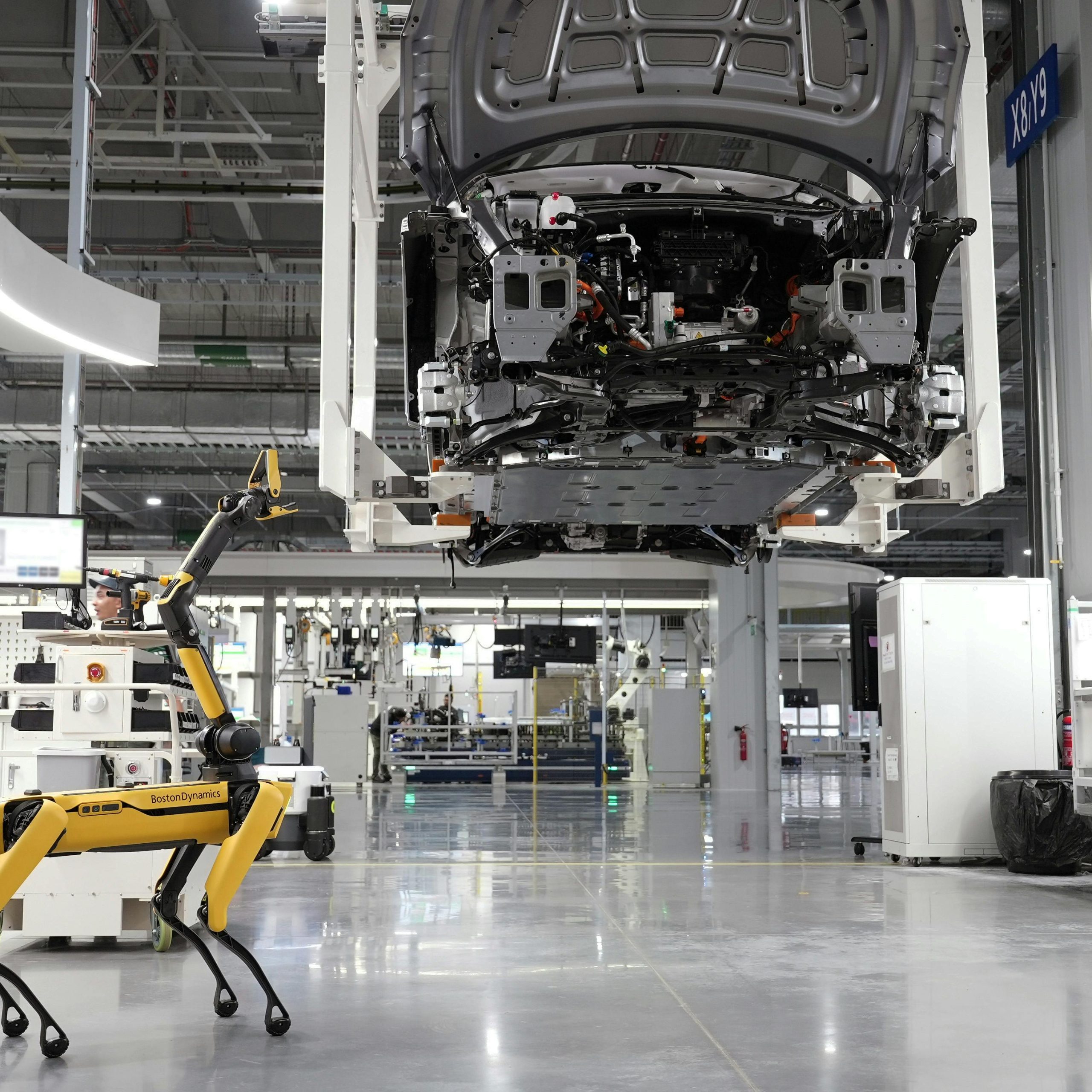
In advanced manufacturing, edge processing enables collaborative robots to interpret human motion in real time. Path planning and speed adjustments occur instantaneously, ensuring workplace safety without cloud dependency. The production line becomes a self-monitoring, self-correcting system rather than a reactive one.
The global transition toward distributed renewable energy demands infrastructure that can respond dynamically to fluctuating supply and demand.
Edge-enabled smart meters analyze localized generation (e.g., rooftop solar, wind micro-turbines) and consumption patterns in real time, stabilizing voltage and preventing brownouts through immediate load adjustments.
Oil platforms, offshore wind farms, and remote substations often operate in connectivity-constrained environments. Edge AI enables continuous self-diagnostics, anomaly detection, and localized optimization — even when satellite links are intermittent or unavailable. In the energy sector, resilience increasingly depends on decentralized intelligence.
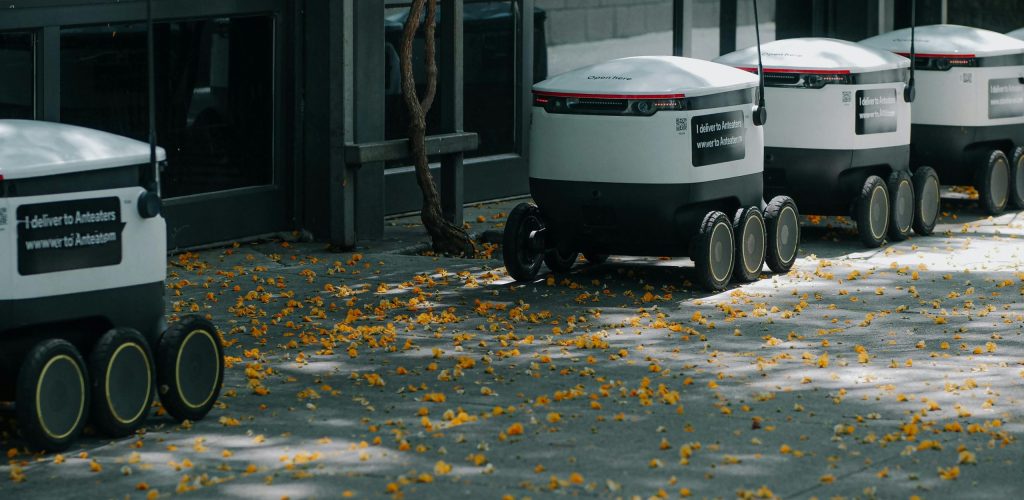
Few domains demand real-time intelligence as critically as autonomous mobility.
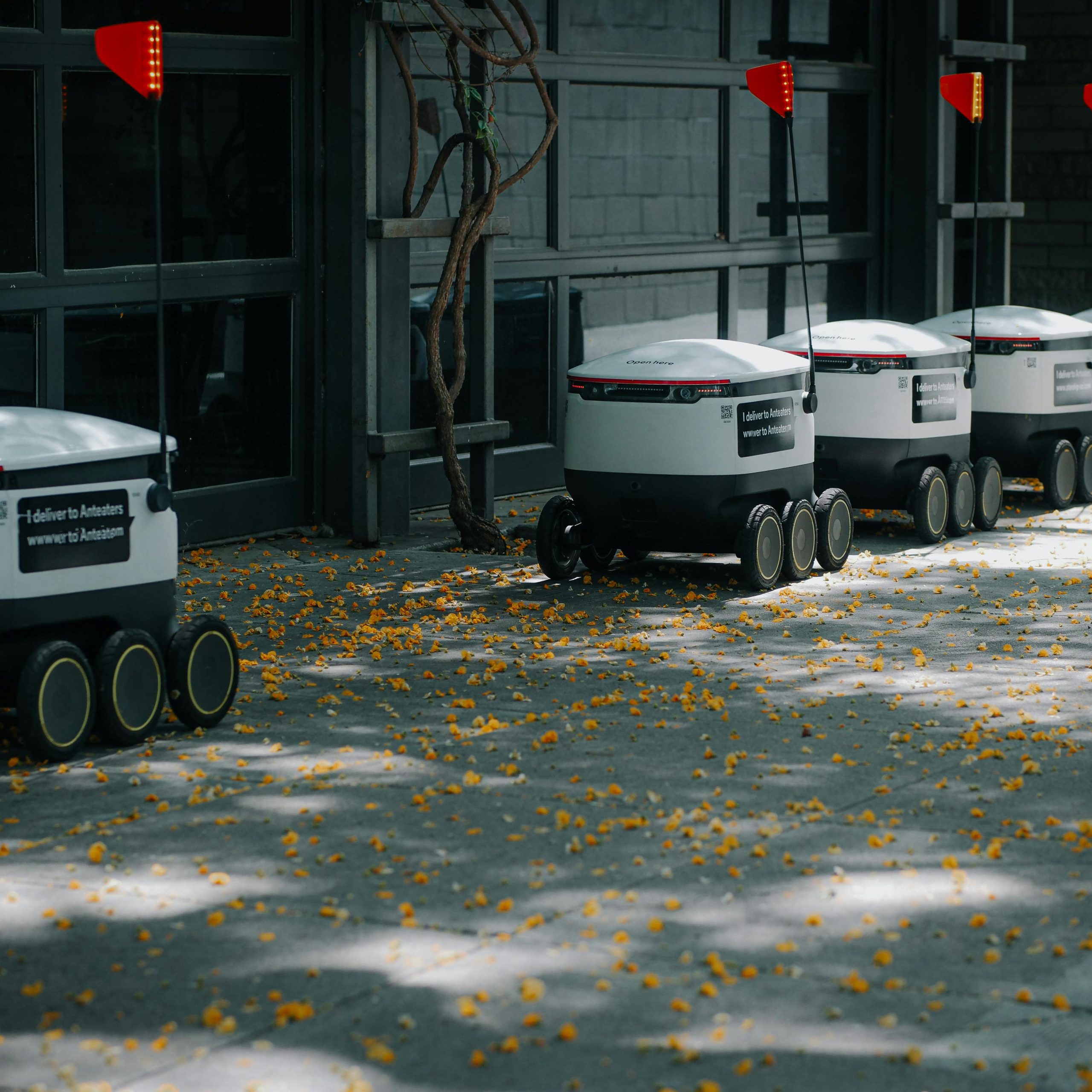
Whether in logistics robotics or self-driving vehicles, the computational “brain” must reside onboard.
A vehicle traveling at highway speed cannot defer to cloud processing to identify an obstacle. Edge AI processes LiDAR, radar, and camera inputs locally, enabling steering and braking decisions within sub-10 millisecond timeframes.
Edge-enabled systems allow vehicles to exchange contextual information with traffic infrastructure and nearby vehicles, optimizing traffic flow and mitigating collision risk before hazards are perceptible to human drivers.
In mobility systems, latency equates to safety margin.

Edge AI is not a replacement for the cloud — it is an architectural evolution.
At Binalyto, we advocate for a Hybrid AI Strategy:
This creates a closed-loop ecosystem. Edge devices act immediately, while the cloud continuously refines models based on aggregated data, pushing performance improvements back to the field.
Intelligence becomes iterative, distributed, and adaptive.
The strategic question is no longer whether to adopt Edge AI — but how to integrate it seamlessly within your existing infrastructure.
Intelligence is most powerful when positioned closest to operational reality. Edge AI transforms sensors from passive collectors into active decision-makers embedded within your enterprise architecture.
Is your IoT infrastructure still dependent on round-trip cloud latency?
Explore Binalyto’s Edge AI solutions and bring real-time intelligence directly to your operational front lines.

Building a Data-Driven Culture: Tools, Capabilities, and Mindset as Strategic Differentiators
Read More
Operationalizing AI: Governance, Risk, and Scalability in Enterprise Adoption
Read More

From Data to Decisions: The Enterprise Shift Toward Augmented Analytics
Read More
Eyes Everywhere: How Computer Vision Is Redefining Quality Control at Scale
Read More
Edge AI and Real-Time Analytics: Architecting Intelligence at the Point of Action
Read More

AI-Driven Personalization: Engineering Customer Experience at Enterprise Scale
Read More

AI & Ethics in Business: Governance, Bias Mitigation, and Enterprise-Grade Responsible AI
Read More

The Business Impact of Predictive Analytics in Supply Chain and Logistics
Read More

Beyond the Prompt: How Generative AI Is Redefining Enterprise Creativity and Innovation
Read More

The Future of Work: AI-Augmented Roles and Enterprise Workforce Transformation
Read More
With over a decade of enterprise expertise, we deliver performance-driven solutions powered by intelligent innovation. Partner with us to scale smarter, operate stronger, and lead with measurable impact.
Request a Demo

©2026 Binalyto Pvt Ltd.