
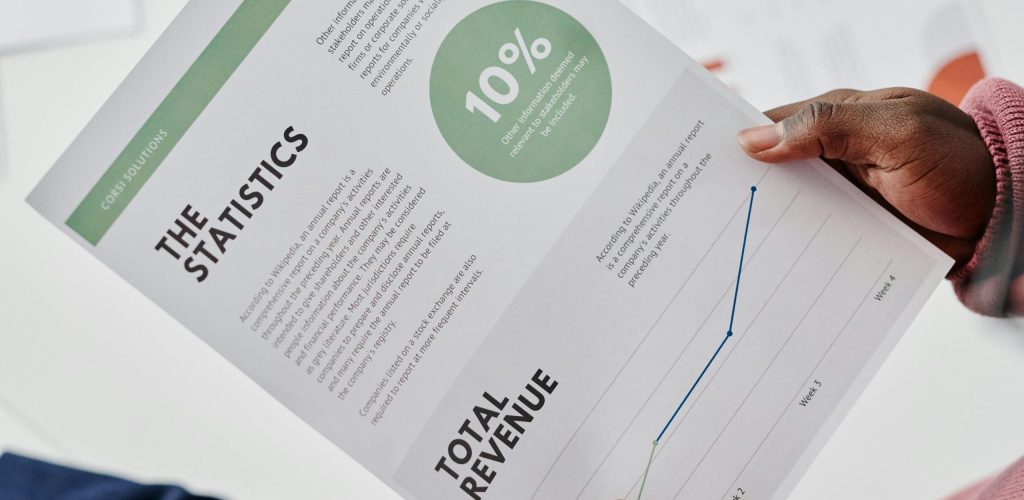
Data is frequently described as the “new oil.” Yet raw oil delivers no value without the infrastructure to refine and activate it.
In 2026, sustainable competitive advantage is not determined by the volume of data an organization collects. It is defined by its ability to operationalize insight — consistently, confidently, and at scale.
At Binalyto, we have observed a recurring pattern: even the most advanced AI platforms fail to generate impact in environments where decision-making defaults to hierarchy rather than evidence. Overcoming “HIPPO” (Highest Paid Person’s Opinion) dynamics requires more than deploying dashboards. It requires intentional cultural engineering.
Building a data-driven enterprise rests on three foundational pillars: maturity alignment, workforce enablement, and institutional data literacy.
Transformation begins with clarity. Organizations must understand where they reside on the Analytics Maturity Scale before designing their evolution strategy.
Most enterprises operate within one of four stages:

Progression is not purely technological. It requires executive evolution — shifting from reviewing results to proactively shaping outcomes.
Maturity is measured not by tool sophistication, but by how consistently insight informs action.
A common misstep in digital transformation initiatives is concentrating analytical capability within a centralized Center of Excellence while leaving the broader organization under-enabled.
A data-driven culture is built when analytical fluency extends beyond specialists.
We advocate cultivating professionals with deep domain expertise (e.g., Finance, Marketing, HR) complemented by a horizontal layer of data fluency. This enables contextual interpretation rather than blind reliance on dashboards.
By deploying accessible analytics platforms, organizations reduce IT bottlenecks and encourage experimentation at the business-unit level. Self-service capability fosters ownership and accelerates decision cycles.
Forward-thinking enterprises formalize data training programs, introduce internal certifications, and tie measurable data competencies to performance evaluations and career advancement.
Upskilling is not an HR initiative — it is a strategic investment in institutional intelligence.

Data literacy extends beyond technical skill. It encompasses the ability to interpret, challenge, and apply data responsibly.
Without a structured literacy framework, employees may either distrust data or selectively use it to reinforce pre-existing assumptions.
Metrics such as “Customer Lifetime Value,” “Churn,” and “Conversion Rate” must be defined consistently across Marketing, Sales, Finance, and Operations. Semantic misalignment is a hidden source of strategic friction.
Internal knowledge hubs, collaborative forums, or analytics communities allow employees to seek clarification without hesitation. Psychological safety is critical to cultural adoption.
Teams should be trained to distinguish between vanity metrics and actionable metrics — focusing on indicators that influence strategic outcomes rather than superficial performance signals.
A data-literate organization does not merely consume dashboards. It interrogates and interprets them.
Culture is the engine; infrastructure is the accelerator. In 2026, the modern enterprise data stack prioritizes integration, speed, and democratized access while maintaining governance controls.

However, technology alone does not guarantee transformation. Tools amplify behavior; they do not redefine it.
The most significant barrier to becoming data-driven is rarely mathematical complexity. It is cultural resistance.
True transformation occurs when leaders model evidence-based decision-making and reinforce an environment where stating,
“Let’s validate this with data,”
is perceived as rigor — not hesitation.
A data-driven culture is characterized by:
When insight becomes embedded in daily operations rather than quarterly reporting cycles, organizations achieve structural agility.
At Binalyto, we partner with enterprises to assess cultural readiness, design upskilling roadmaps, and implement governance-aligned analytics ecosystems. Is your organization collecting data — or competing with it?
Take Binalyto’s Data Literacy Assessment to identify capability gaps and receive a tailored roadmap toward enterprise-wide analytical maturity.

Building a Data-Driven Culture: Tools, Capabilities, and Mindset as Strategic Differentiators
Read More

Operationalizing AI: Governance, Risk, and Scalability in Enterprise Adoption
Read More
From Data to Decisions: The Enterprise Shift Toward Augmented Analytics
Read More

Eyes Everywhere: How Computer Vision Is Redefining Quality Control at Scale
Read More

Edge AI and Real-Time Analytics: Architecting Intelligence at the Point of Action
Read More

AI-Driven Personalization: Engineering Customer Experience at Enterprise Scale
Read More

AI & Ethics in Business: Governance, Bias Mitigation, and Enterprise-Grade Responsible AI
Read More

The Business Impact of Predictive Analytics in Supply Chain and Logistics
Read More

Beyond the Prompt: How Generative AI Is Redefining Enterprise Creativity and Innovation
Read More

The Future of Work: AI-Augmented Roles and Enterprise Workforce Transformation
Read More
With over a decade of enterprise expertise, we deliver performance-driven solutions powered by intelligent innovation. Partner with us to scale smarter, operate stronger, and lead with measurable impact.
Request a Demo

©2026 Binalyto Pvt Ltd.