

In traditional corporate environments, innovation is followed by a linear and resource-intensive trajectory: assemble a cross-functional team, conduct workshops, prototype iteratively, and launch — often racing against shifting market conditions.
In 2026, that model is being fundamentally redefined. Generative AI (GenAI) has evolved from a productivity enhancer into a strategic co-creation engine. At Binalyto, we are witnessing a profound shift: AI is no longer confined to analyzing historical data — it is actively synthesizing new possibilities.
The enterprise question is no longer how to automate tasks. It is how to augment creativity at scale.
Creative friction often begins with inertia — the blank page, the undefined concept, the early-stage ambiguity. Generative AI eliminates that barrier.
Design and product teams leverage platforms such as Midjourney and DALL-E to generate high-fidelity visual prototypes within minutes. Early-stage product exploration that once required days of rendering can now be iterated in real time.
Marketing organizations are transitioning from producing isolated campaigns to orchestrating AI-assisted, multi-channel content ecosystems. GenAI enables rapid persona-specific adaptation while preserving tone, brand integrity, and contextual alignment.
The outcome is not automation of creativity — it is acceleration of experimentation.
Historically, innovation was constrained by specialized skill sets. Building an application required coding expertise. Developing visual storyboards required design proficiency.
Generative AI is dismantling those barriers.
Through natural language interfaces, non-technical professionals can:
This democratization shifts innovation from capability-gated to idea-driven. The differentiator becomes judgment and strategic clarity — not technical gatekeeping.
Organizations that empower cross-functional experimentation outperform those that centralize creative authority.
Personalization has historically been operational — segmented email lists, static recommendations, surface-level customization.
Generative AI transforms personalization into dynamic creative orchestration.
Web platforms can now:
This is not merely customized messaging. It is adaptive experience architecture. Creative output becomes responsive, not pre-defined.
True innovation requires experimentation — and experimentation traditionally carries cost, risk, and time constraints.
One of the most transformative enterprise applications of generative AI lies in synthetic data generation.
Organizations can simulate:
By constructing realistic digital environments, enterprises can test high-risk strategies in low-risk conditions. Failure occurs in simulation rather than in-market.
This “digital R&D sandbox” dramatically reduces marginal experimentation cost and shortens innovation cycles.
As generative systems mature, the role of the enterprise professional is evolving.
The competitive advantage no longer resides solely in execution capability. It resides in:
The modern professional becomes a curator and strategist — directing AI systems while retaining accountability for outcomes.
Human creativity remains central. Generative AI amplifies its reach.
At Binalyto, we view Generative AI as a force multiplier for enterprise innovation. However, value is not realized through experimentation alone. It requires:
Generative AI does not replace human ingenuity. It accelerates ideation, compresses iteration cycles, and unlocks previously inaccessible creative scale.
The strategic question for leadership is no longer whether to adopt Generative AI.
It is how to operationalize it responsibly to out-innovate competitors.
Innovation velocity is becoming a measurable KPI.
Ready to convert AI potential into tangible business differentiation?
Connect with Binalyto to explore how our AI-driven innovation frameworks can transform your creative pipeline into a sustained competitive advantage.

Building a Data-Driven Culture: Tools, Capabilities, and Mindset as Strategic Differentiators
Read More

Operationalizing AI: Governance, Risk, and Scalability in Enterprise Adoption
Read More
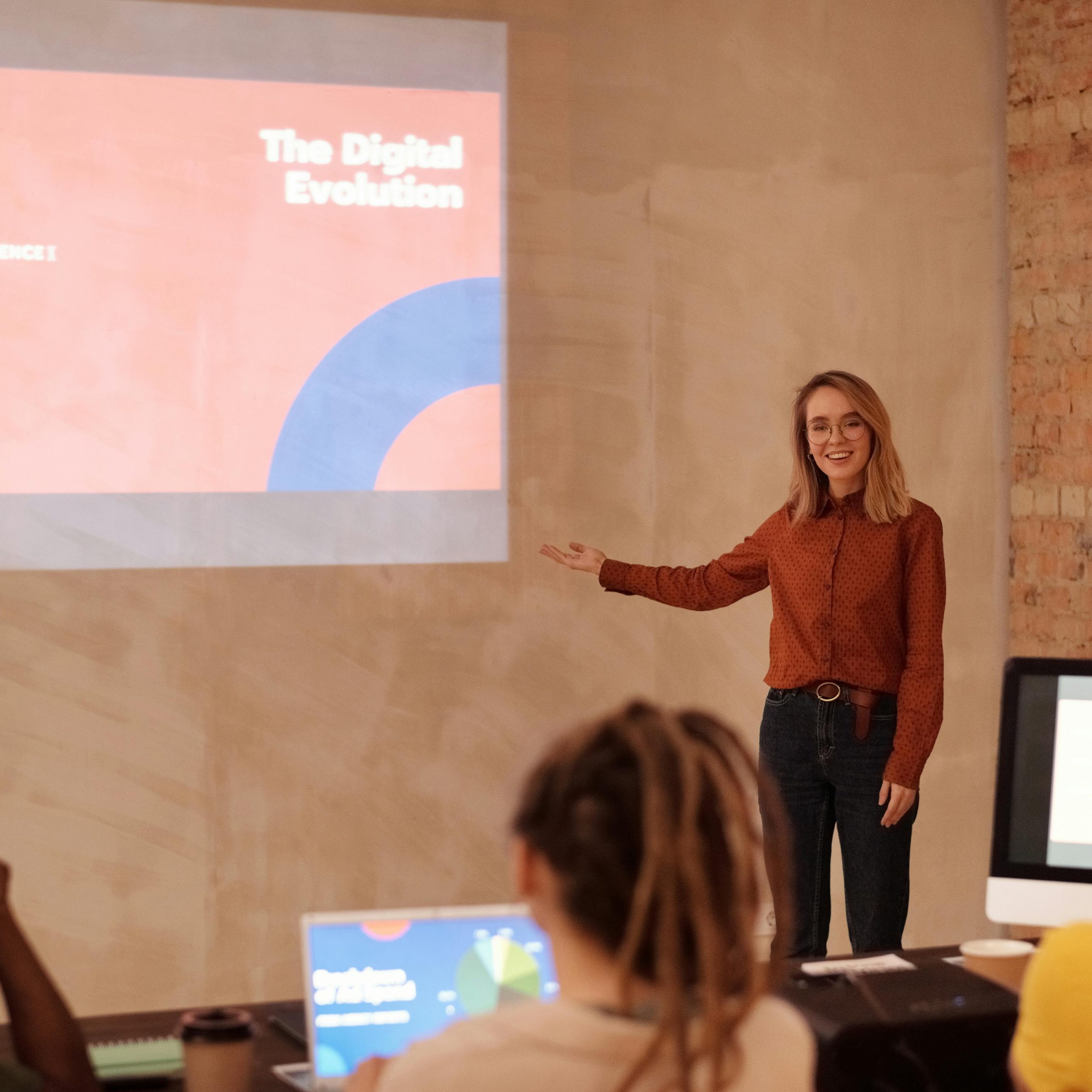
From Data to Decisions: The Enterprise Shift Toward Augmented Analytics
Read More
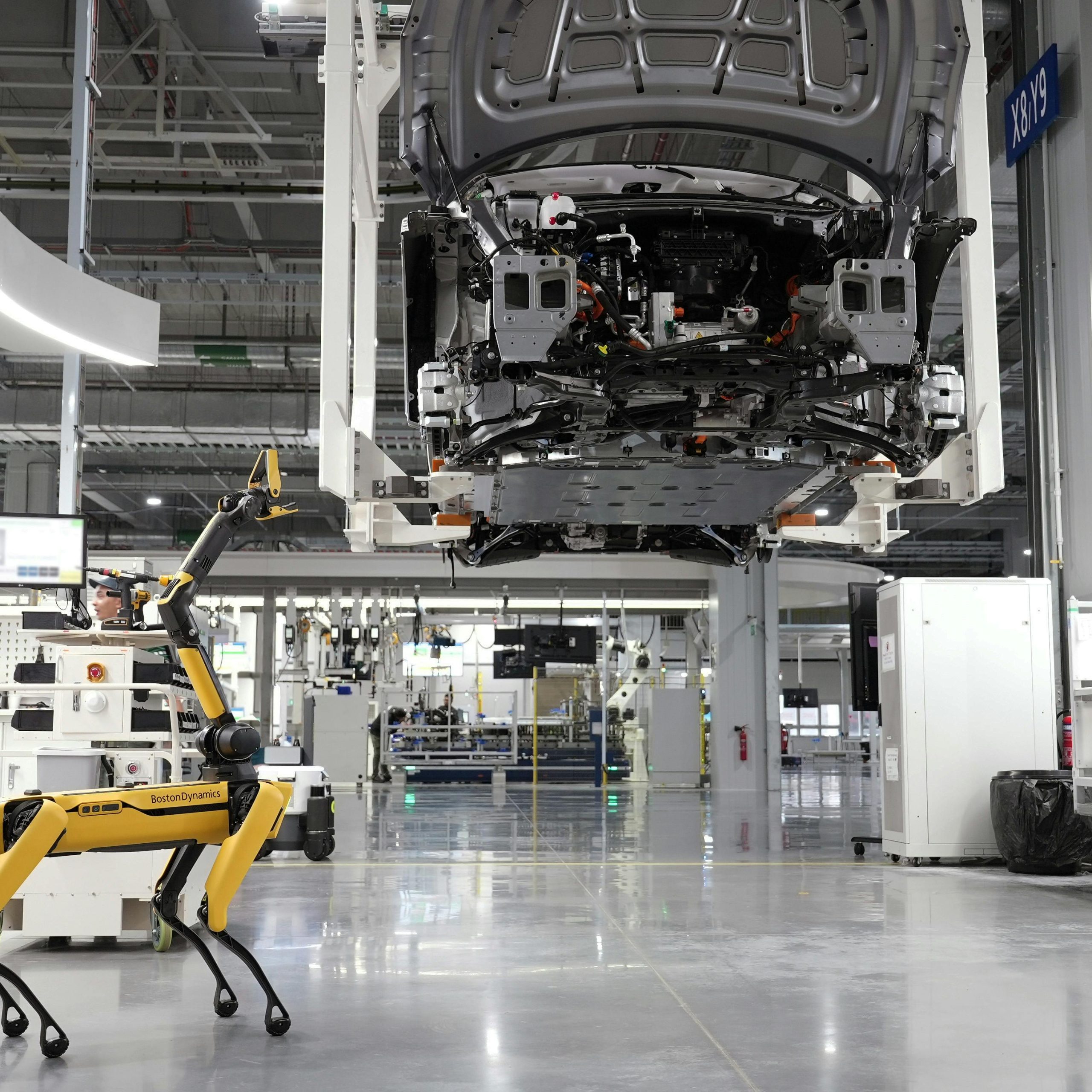
Eyes Everywhere: How Computer Vision Is Redefining Quality Control at Scale
Read More
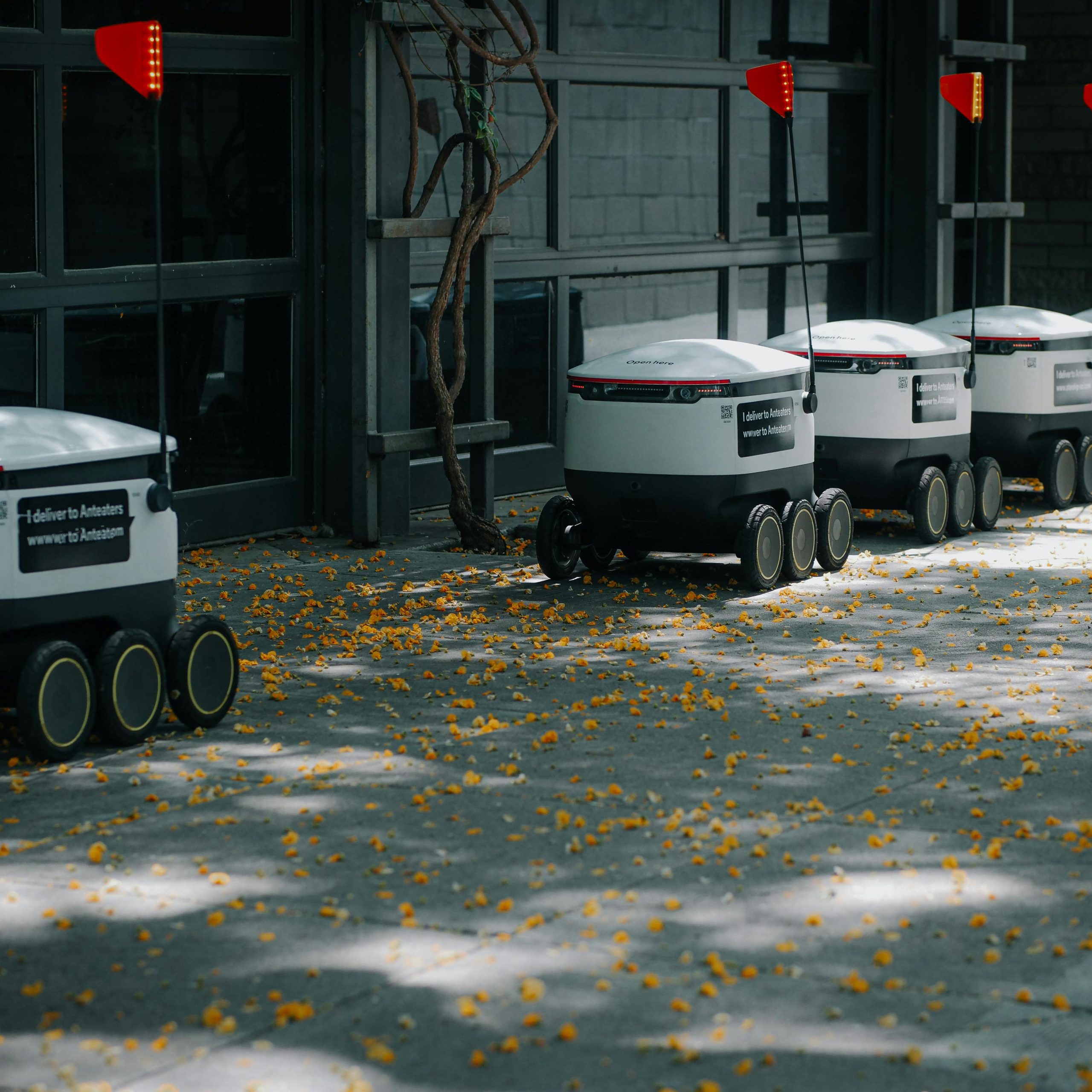
Edge AI and Real-Time Analytics: Architecting Intelligence at the Point of Action
Read More

AI-Driven Personalization: Engineering Customer Experience at Enterprise Scale
Read More

AI & Ethics in Business: Governance, Bias Mitigation, and Enterprise-Grade Responsible AI
Read More

The Business Impact of Predictive Analytics in Supply Chain and Logistics
Read More

Beyond the Prompt: How Generative AI Is Redefining Enterprise Creativity and Innovation
Read More

The Future of Work: AI-Augmented Roles and Enterprise Workforce Transformation
Read More
With over a decade of enterprise expertise, we deliver performance-driven solutions powered by intelligent innovation. Partner with us to scale smarter, operate stronger, and lead with measurable impact.
Request a Demo

©2026 Binalyto Pvt Ltd.