

The traditional maxim “the customer is always right” has evolved.
In 2026, competitive advantage belongs to organizations that understand customers in real time — with context, intent, and predictive foresight. Enterprises are moving beyond static segmentation. They are building AI-driven micro-personalization systems that recognize individual behavior patterns and respond at the precise moment of need. The goal is no longer to group customers into categories. The goal is to anticipate decisions before they are made.
Personalization is no longer a marketing feature. It is an operational capability embedded across the business.
Legacy personalization relied on surface-level identifiers — first name, geography, purchase history. While useful, these signals are insufficient in a digital ecosystem defined by immediacy and behavioral complexity.
Modern AI systems synthesize thousands of structured and unstructured data signals in milliseconds, including:
The outcome is contextual intelligence — not just customized messaging, but dynamically engineered experiences.
Customer Experience (CX) maturity in 2026 is defined by an organization’s ability to resolve issues before they escalate.
AI-driven predictive analytics models detect friction signals — anomalies in usage behavior, sentiment shifts, latency spikes, or service degradation — and initiate intervention autonomously.

For example, if streaming performance degrades due to packet loss, the system identifies the anomaly and proactively deploys optimization protocols — accompanied by a real-time customer notification — before dissatisfaction manifests.
Proactive engagement transforms cost centers into loyalty engines.
“Personalization is advancing beyond recommendations. It is moving into execution”. We are entering the era of Agentic AI — autonomous systems capable of completing multi-step workflows, not merely responding to prompts.
Unlike traditional chatbots, agentic systems interpret intent, coordinate backend processes, and complete transactions within defined governance rules.
Use Case: Intelligent Returns Processing
Instead of navigating multiple interface layers, a customer communicates a single instruction:
“This shirt is too small. I need a medium.”
The AI agent:
All within seconds.
The service loop collapses. Friction is eliminated. The interaction becomes a brand reinforcement moment rather than an operational burden. Agentic commerce is not incremental optimization; it is structural transformation
Advanced personalization introduces heightened responsibility. Over-personalization without transparency erodes trust and triggers regulatory exposure.
At Binalyto, we operationalize Ethical Personalization through three control layers:
Customers are clearly informed when AI systems are shaping their experience or facilitating interactions.
Leveraging privacy-enhancing technologies, synthetic data augmentation, and edge computing, we minimize centralized exposure of sensitive personal information while preserving model performance.
Personalization systems are structured around explicit user benefit. Data collection is tied to clear utility, reinforcing a perception of value rather than surveillance.
Trust is not a constraint on personalization — it is its prerequisite.
By 2027, real-time personalization will be the baseline expectation rather than a differentiator. Enterprises that fail to operationalize AI-driven CX at scale will not merely underperform — they will become invisible in increasingly competitive digital ecosystems.
Personalization is no longer a campaign strategy.
It is an enterprise capability that integrates data science, architecture, governance, and customer strategy into a unified execution model
At Binalyto, we help organizations transition from linear customer funnels to adaptive, intelligence-driven relationships. Personalization is not a feature. It is a philosophy of continuous customer alignment. Is your data infrastructure equipped to deliver intelligent, real-time customer moments at scale? We invite you to schedule a discovery session with Binalyto and explore how predictive modeling and agentic systems can redefine your customer journey architecture.

Building a Data-Driven Culture: Tools, Capabilities, and Mindset as Strategic Differentiators
Read More

Operationalizing AI: Governance, Risk, and Scalability in Enterprise Adoption
Read More
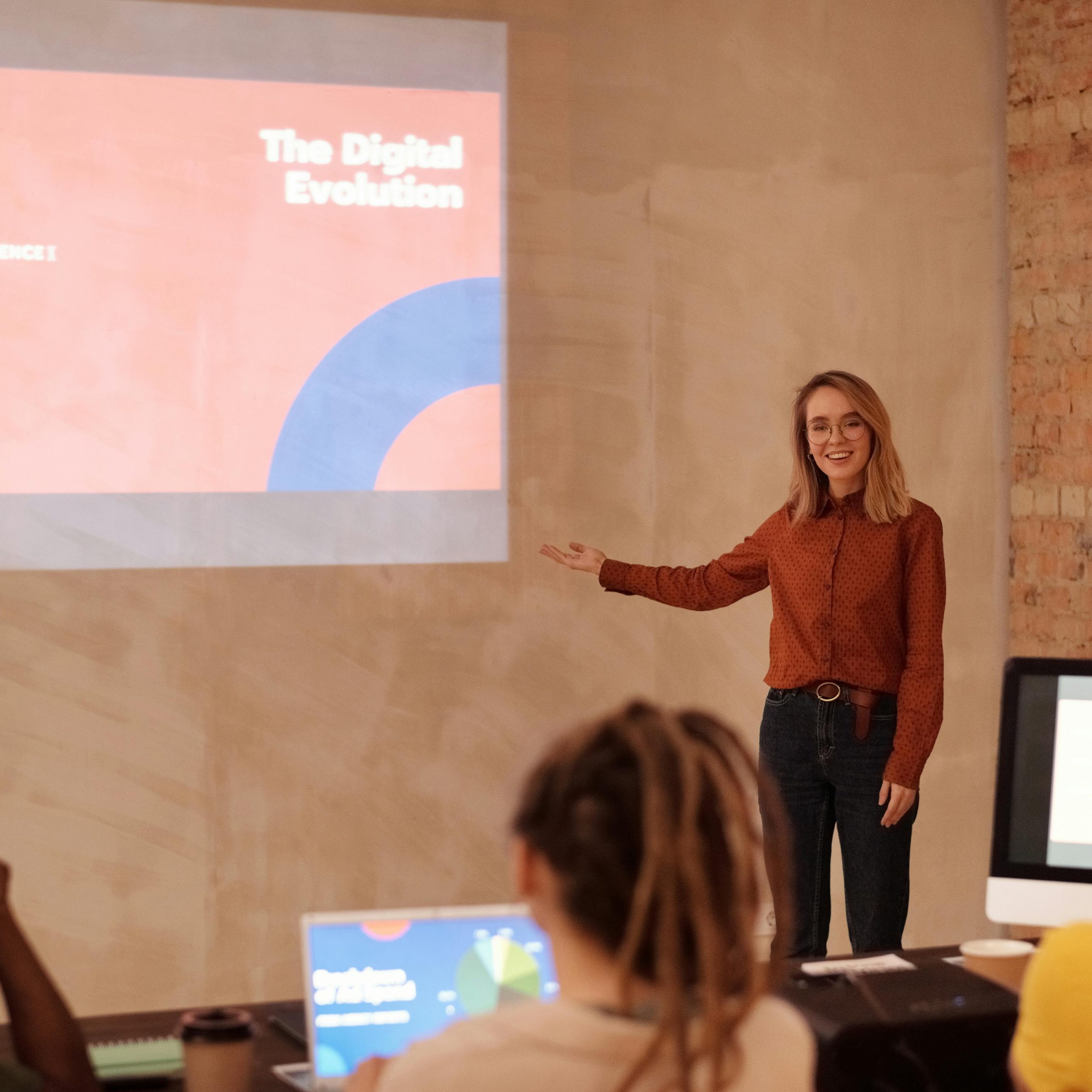
From Data to Decisions: The Enterprise Shift Toward Augmented Analytics
Read More
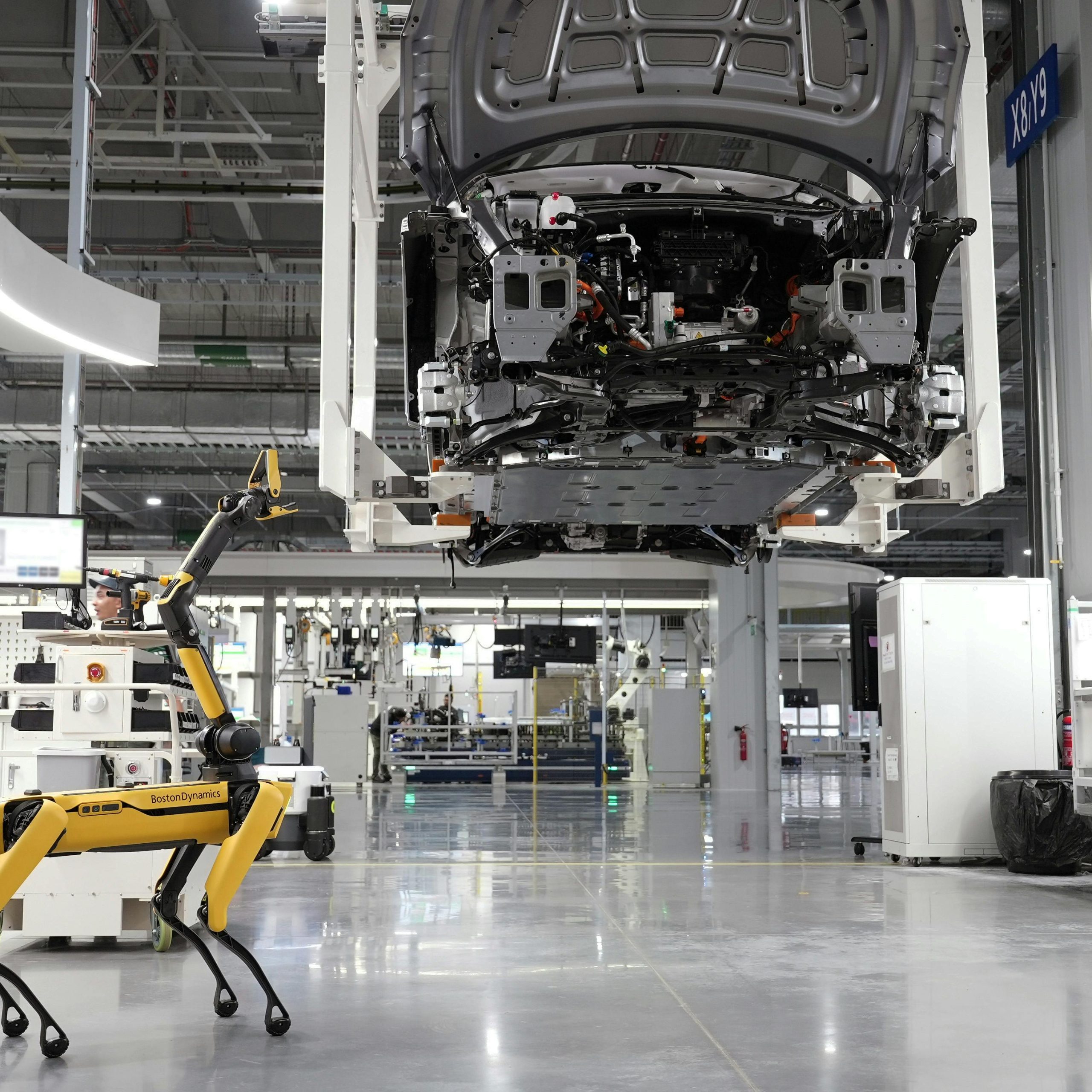
Eyes Everywhere: How Computer Vision Is Redefining Quality Control at Scale
Read More

Edge AI and Real-Time Analytics: Architecting Intelligence at the Point of Action
Read More

AI-Driven Personalization: Engineering Customer Experience at Enterprise Scale
Read More

AI & Ethics in Business: Governance, Bias Mitigation, and Enterprise-Grade Responsible AI
Read More

The Business Impact of Predictive Analytics in Supply Chain and Logistics
Read More

Beyond the Prompt: How Generative AI Is Redefining Enterprise Creativity and Innovation
Read More

The Future of Work: AI-Augmented Roles and Enterprise Workforce Transformation
Read More
With over a decade of enterprise expertise, we deliver performance-driven solutions powered by intelligent innovation. Partner with us to scale smarter, operate stronger, and lead with measurable impact.
Request a Demo

©2026 BINALYTO DATA SERVICES PRIVATE LIMITED